


علم محبوب سازی. نقش و کاربرد پروتئین های گیاهی در مراقبت از مو.
در زندگی روزمره، لایه محافظ پوست مو در طول زمان به دلیل تأثیرات طبیعت (مانند اشعه ماوراء بنفش،نور خورشید) و زندگی روزمره (مانند شانه زدن، تنفس هوا گرم) یا آرایش مو (رنگ زدن، perming).
![آخرین مورد شرکت [#aname#]](/__safe/missing-image.svg)
با توجه به تاثیر عوامل طبیعی و انسانی بر آسیب مو مانند کاهش رطوبت، از دست دادن پروتئین و تغییرات در ساختار مو، موهای ما موهای خشک و خشک می شود.مستعد شکستن و شکستن استبنابراین مراقبت از موها بسیار مهم است. از طریق مراقبت از موها، می توانیم آسیب مو را کاهش دهیم یا موهای آسیب دیده را بهبود بخشیم.اجازه می دهد موهای آسیب دیده ما به حالت زیبایی "سالم" و "بخشنده" برگردند.
مراقبت از مو یک فرآیند طولانی مدت و سیستماتیک است. درک ترکیب ساختاری، عملکردهای فیزیولوژیکی و عوامل ایجاد کننده آسیب مو،و همچنین نقش پروتئین های گیاهی در مراقبت از مو، می تواند مصرف کنندگان را در هنگام انتخاب محصولات مراقبت از مو با درک علمی عمیق تر و روشن تر فراهم کند.آنها می توانند محصولات مراقبت موثرتری را که نیازهای مصرف کننده را بر اساس ویژگی های مو برآورده می کنند، توسعه دهند..
一,ترکیب و عوامل آسیب رساندن مو
1.1 ترکیب مو
اجزای اصلی مو کراتین است که حدود ۶۵ تا ۹۵ درصد آن را تشکیل می دهد و از دو بخش تشکیل شده است: ساقه مو و فولیکول های مو.شاخه مو از قشر مغز تشکیل شده استمواد مغذی شناخته شده برای پوست و مو شامل هیستیدین، آرژینین، اسید گلوتامیک، اسید اسپارتیک، سرین،و لیزینکراتین از بیش از ۲۰ اسید آمینه آلفا تشکیل شده است که با پیپتید پیوند دارند و محتوای و ترتیب اسید آمینه آلفا بر خواص فیزیک شیمیایی فیبر مو تاثیر می گذارد.مو دارای خواص دوگانه از اسیدهای آمینه و کراتین است، و هر دو پروتئین و اسید آمینه را می توان برای مراقبت از مو استفاده کرد.
ورق1ساختار و عملکرد مو
|
نام ساختاری |
عملکرد |
|
استراتوم کورنیوم |
مقاومت در برابر آسیب های فیزیکی و شیمیایی خارجی |
|
کورتex |
عنصر اصلی,ضخامت و رنگ مو را تعیین کنید |
|
مغز |
تاثیر ضعیف بر ساختار مو |
|
مجتمع غشا سلول(CMC) |
اتصال لایه ی قرنیوم و قشر مغز |
1.2 عوامل ایجاد کننده آسیب مو
به دلیل محیط های مختلف که مو در آن قرار دارد، بسیاری از عوامل خارجی می توانند باعث آسیب به مو شوند، مانند قرار گرفتن در معرض نور، درمان شیمیایی، آلودگی محیط زیست، آسیب مکانیکی،و غیرهاین عوامل می توانند باعث شوند که پوسته های موی روی سطح مو پیچیده شوند و بیشتر کراتین از بین برود. از نظر کلان، این به عنوان موی خشن و ناخودآرام، شکستگی آسان،و مقاومت کششی کاهش یافته.
بر اساس عوامل خارجی، آسیب مو را می توان به دلایل زیر نسبت داد
(1) آسیب های فیزیکی
آسیب جسمی به طور کلی به فشاری که محیط بیرونی بر روی مو اعمال می کند، مانند هنگام شانه زدن روزانه، اشاره دارد. اگر مو خشن باشد، به اندازه کافی صاف نباشد و شانه زدن دشوار باشد،آسان است برای تولید کشش و نیروی اصطکاک بین دندان های شامپو، که منجر به آسیب و ریزش مو، کشش و تغییر شکل فیبرهای مو و آسیب رساندن به هلیکس آلفا در کراتین می شود.آسان است که باعث شود پوست کوچک به پیچ و شکستن، و حتی سقوط می کنند و به لایه ی گوشه ی سینه آسیب می رسانند.
(2) آسیب های شیمیایی
آسیب های شیمیایی به طور کلی به آسیب هایی که مو هنگام تماس با عوامل شیمیایی مانند عوامل دائمی، رنگ مو و مواد سفید کننده دچار می شود، اشاره دارد.ایجاد تغییرات در ساختار لایه ی قرنیوماین واکنش های شیمیایی می توانند از طریق لایه ی گوشه ای نفوذ کرده و وارد قشر شوند و در نتیجه پیوند های دی سولفید کراتین در موها را شکسته اند.ایجاد تغییرات در ساختار فیبری مو، که منجر به از دست دادن پروتئین و تغییر در ترکیب اسیدهای آمینه می شود، که منجر به تخلیه ساختار داخلی مو می شود.
(3) آسیب حرارتی
آسیب حرارتی به آسیب مو ناشی از دماهای بالا، مانند دمای بیش از حد یا زمان در طول دمای گرم یا پرمینگ اشاره دارد.که می تواند باعث شود رطوبت در مو به سرعت تبخیر یابد.در نتیجه موهای خشک و موی موی موی موی مو می شود. به طور کلی، میزان رطوبت در مو حدود 15 درصد است. اگر کمتر از 10 درصد باشد، موها دچار برق ایستاتیک، ریزش مو، نوک های ترک خورده،و نسبتاً شکننده باشد.
(4) آسیب نور خورشید
تجمع اشعه ماوراء بنفش در نور خورشید تا شدت معینی می تواند باعث تغییر ساختار مو و تخریب نورپروتئین شود.ملانین موجود در فیبرهای مو در معرض اکسید شدن و در زیر نور خورشید محو می شودهمچنین، موها در طول روز در معرض محیط بیرونی قرار می گیرند.و پدیده های مختلف آب و هوایی می تواند باعث آسیب به مو و شلواری سریع مو شود.
آسیب مو در زندگی روزمره ما اجتناب ناپذیر است، بنابراین مراقبت و ترمیم موهای آسیب دیده برای ما بسیار مهم است.و همچنین خواص خوبی در شکل گیری فیلم و مرطوب کردن آنها، آنها به طور گسترده ای به محصولات مراقبت از مو اضافه می شوند. آنها می توانند از طریق پوست و سطح مو نفوذ کنند تا موهای آسیب دیده ما را بیشتر محافظت و تعمیر کنند.
二,
نقش و مکانیسم پروتئین های گیاهی
پروتئین های گیاهی که برای مراقبت از مو استفاده می شوند به طور کلی به دو نوع تقسیم می شوند: پروتئین های گیاهی هیدرولیزه شده؛ یک نوع دیگر مشتق پروتئین های گیاهی هیدرولیزه شده است،که با اصلاح شیمیایی با وارد کردن گروه های کاربردی دیگر به زنجیره جانبی یا انتهای پروتئین تهیه می شود..
2.1
پروتئین های گیاهی هیدرولیزه شده
پروتئین های گیاهی هیدرولیزه شده با هیدرولیز پروتئین های گیاهی مختلف با اسید ها، قلیات یا آنزیم ها ساخته می شوند که همه آنها از اسیدهای آمینه تشکیل شده اند. بنابراین،ارتباط خوبی با پوست و مو دارد و دارای خواص خفیف و غیر تحریک کننده است. این می تواند به سطح پوست و مو نفوذ کند ، یک فیلم را بر روی سطح پوست یا مو تشکیل دهد و رطوبت را برای دستیابی به اثر مرطوب کننده قفل کند. هنگامی که پروتئین گیاهی هیدرولیزه شده برای مراقبت از مو استفاده می شود ،می تواند قابلیت پردازش را بهبود بخشد، بافت، توانایی آرایش، درخشش و سازمان مو، و می تواند آسیب به مو ناشی از درمان های مختلف را کاهش دهد و همچنین پایان های ترک خورده را تعمیر کند.
ورق2انواع پروتئین های گیاهی هیدرولیزه شده
|
نوع |
اسم اینچی |
ویژگی |
|
W110B |
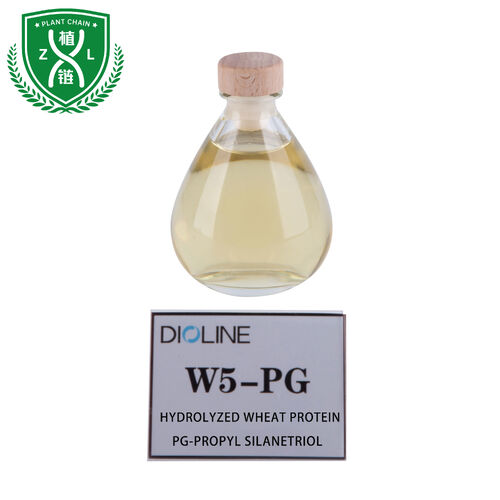
پروتئین گندم هیدرولیزه شده |
به طور موثر مکمل از دست دادن پروتئین و چربی های مو و ترمیم کیفیت مو آسیب دیده است.هیدرولیز پروتئین گیاهی دارای توانایی مرطوب کننده عالی است و میزان رطوبت بافت مو را به طور قابل توجهی افزایش می دهد |
|
R110P |
پروتئین برنج هیدرولیزه شده |
غنی از اسیدهای آمینه و مواد دیگر، می تواند تولید کلاژن توسط سلول های فیبروبلاست را ترویج دهد. می تواند عملکرد دفاعی پوست را افزایش دهد، کراتینیزاسیون طبیعی کراتینوسیت ها را حفظ کند،و رشد باکتری را مهار می کند در حالی که اثرات مرطوب کننده کارآمد را ایجاد می کند. |
|
VQ260 |
پروتئین های گیاهی هیدرولیزه شده |
پروتئین گیاهی هیدرولیزه شده غنی از اسیدهای آمینه است، و ساختار مولکولی آن دارای هیدروفیلی است، که می تواند پیوندهای هیدروژنی را با مولکول های آب تشکیل دهد، به طور موثر در رطوبت پوست قفل می شود،کاهش از دست دادن آب، بهبود رطوبت پوست و عملکرد مرطوب کننده خوبی دارد. می تواند عملکرد موانع پوست را افزایش دهد و برای انواع مختلف پوست مناسب است |
|
KD210 |
پروتئین نخود های هیدرولیزه شده |
پروتئین نخود دارای یک وابستگی طبیعی برای موهای نژادهای مختلف و انواع مو است، به طور موثر در رطوبت قفل می شود و حتی موها را در محیط های رطوبت پایین رطوبت می دهد.در نتیجه پلاستیکی مو را افزایش می دهد و از شکستن جلوگیری می کند. |
خوش آمدید برای بررسی نمونه ها
2.2
مشتقات پروتئین های گیاهی هیدرولیزه شده
- پروتئین گیاهی هیدرولیزه شده و کواترنیزه شده
هیدرولیز آمونیوم چهارگانه پروتئین گیاهی از پروتئین گیاهی یا پودر پروتئین گیاهی از طریق دو مرحله: هیدرولیز آنزیماتیک و چهارگانه سازی ترکیب می شود.پروتئین گیاهی هیدرولیز شده چهارگانه که در محصولات مراقبت از مو استفاده می شود، دارای خواص خنک کننده پروتئین و خواص جذب چهارگانه استپروتئین گیاهی هیدرولیزه شده مثبت بارگذاری شده به شدت با موهای بارگذاری شده منفی تعامل دارد و گروه هیدروفیلیک می تواند به طور محکم به سطح موها چسبد.گروه هيدروفوبيک از سطح موها دور می شود و در سراسر سطح موها قرار دارد، که یک فیلم محافظ نسبتا قوی را تشکیل می دهد که به موها درخشش، نرمی و ویژگی های آسان شانه زدن می دهد.
کراتین که مو را تشکیل می دهد دارای نقطه ایزو الکتریکی pH 4 است، در حالی که پروتئین های هیدرولیزه شده مورد استفاده در اکثر لوازم آرایشی دارای نقطه ایزو الکتریکی 4.0 ~ 6 هستند.0آنها فقط خواص کتیونیک را در زیر نقطه ایزو الکتریکی خود نشان می دهند، بنابراین پروتئین های هیدرولیزه شده در استفاده عملی خواص کتیونیک واقعی ندارند.تنها زمانی که غلظت پروتئین گیاهی هیدرولیزه شده به سطح خاصی برسدبا این حال، اغلب اوقات به دلیل محدودیت هزینه، غلظت پروتئین گیاهی هیدرولیزه شده به طور کلی کم است،که ظرفیت جذب پروتئین گیاهی هیدرولیزه شده را محدود می کندبنابراین، اگر هزینه محدود باشد، پروتئین های هیدرولیزه شده کواترنیزه شده را می توان انتخاب کرد.
مزایای پروتئین هیدرولیز شده چهارگانه در مقایسه با پروتئین هیدرولیز شده عمومی شامل حالت قوی تر، درخشش بهتر، تجمع الکتروستاتیک بهبود یافته، جذب قوی تر،و سازگاری بهتر با آنیون ها.
ورق3انواع پروتئین های گیاهی هیدرولیزه شده و رباعی
|
نوع |
اسم اینچی |
ویژگی |
|
HP200 |
COCODIMONIUM HYDROXYPROPYL پروتئین گندم هیدرولیزه شده
|
نمک های آمونیوم چهارگانه دارای خواص خوب تهویه کننده هستند که باعث بهبود چیدن خشک و مرطوب و کاهش برق ایستاتیک می شوند.و همچنین اصلاح موهای مبتنی بر پروتئین و افزایش مرطوب کننده مو. |
|
QAP640 |
COCODIMONIUM HYDROXYPROPYL پروتئین گندم هیدرولیزه شده
|
|
|
WQ113 |
HYDROXYPROPYLTRIMONIUM پروتئین گندم هیدرولیزه شده
|
|
|
HP80 |
گندمگرمیدومروپایل دی متیلاامین پروتئین گندم هیدرولیزه شده
|
|
|
HP130Q |
LAURDIMONIUM HYDROXYPROPYL پروتئین گندم هیدرولیزه شده
|
خوش آمدید برای بررسی نمونه ها