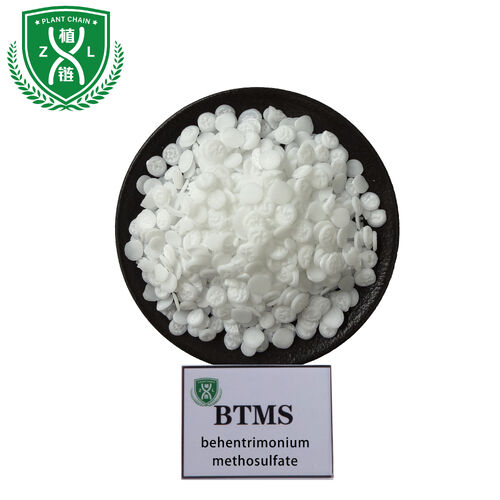
Mistakes to Avoid When Sourcing behentrimonium methosulfate from Overseas
Absolutely! When sourcing behentrimonium methosulfate (BTMS) from overseas suppliers, there are several pitfalls that can affect product quality, safety, cost, and compliance. Here’s a detailed guide of the top 10 mistakes to avoid:
1. Skipping Supplier Verification
Mistake: Choosing suppliers without proper credentials or history.
Why it’s risky: You may receive low-quality or adulterated BTMS, or even face legal issues if the supplier is unlicensed.
Solution:Verify suppliers via audits, certifications (ISO, GMP, COSMOS if for cosmetic use), and customer references.
2. Ignoring Regulatory Compliance
Mistake: Assuming all BTMS is compliant worldwide.
Why it’s risky: Cosmetics regulations differ (EU, US, India, Japan). Using non-compliant grades can block import or sales.
Solution: Check INCI naming, REACH registration (EU), FDA guidance, and import documentation.
3. Neglecting Certificate of Analysis (CoA)
Mistake:Not requesting a current CoA before purchase.
Why it’s risky: You might get a batch with incorrect purity, moisture content, or pH, affecting formulation stability.
Solution: Always request CoA and compare it against your specifications.
4. Overlooking Minimum Order Quantities (MOQ)
Mistake: Ordering too little without understanding supplier constraints.
Why it’s risky: Can lead to inflated prices or inability to secure consistent supply.
Solution: Clarify MOQ, lead times, and flexibility before negotiating.
5. Assuming All BTMS is the Same
Mistake: Believing “BTMS” from different suppliers is identical.
Why it’s risky:Grades differ in quaternary content (typically 25–50%), cetearyl alcohol content, and melting point, affecting product performance.
Solution: Specify the exact grade you need and request sample testing.
6. Ignoring Shipping and Storage Conditions
Mistake: Overlooking temperature, humidity, and container type for BTMS.
Why it’s risky: High heat or moisture can degrade BTMS or cause clumping.
Solution: Confirm proper packaging (poly drums, foil bags inside cartons) and storage conditions (cool, dry).
7. Not Planning for Lead Time and Customs Delays
Mistake:Expecting overnight delivery from overseas.
Why it’s risky:Customs inspection, shipping congestion, or port delays can halt production.
Solution: Build buffer stock and track shipment proactively.
8. Failing to Assess Supplier Reliability
Mistake: Choosing suppliers only based on price.
Why it’s risky: Cheaper suppliers might cut corners, deliver late, or provide inconsistent quality.
Solution:Check delivery history, payment terms, reviews, and sample results before committing.
9. Inadequate Testing on Arrival
Mistake: Using the material directly in formulations without testing.
Why it’s risky: Impurities, incorrect quaternary content, or color variation can ruin batches.
Solution: Conduct in-house QC: purity, pH, melting point, odor, and performance testing.
10. Ignoring Intellectual Property and Trade Risks
Mistake: Assuming BTMS is free of patents or trade restrictions.
Why it’s risky:Some specialty derivatives are patented; importing without clearance can result in legal action.
Solution: Verify patent status, import restrictions, and licensing requirements in both exporting and importing countries.