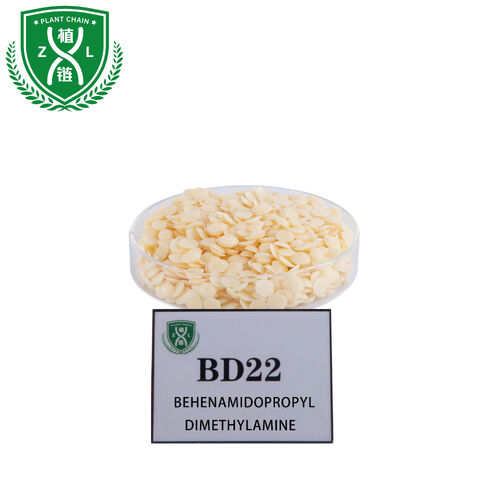
A Beginner’s Guide to Importing BEHENAMIDOPROPYL DIMETHYLAMINE from China
Behenamidopropyl Dimethylamine (BAPDMA) is a cationic surfactant often used in hair conditioners, shampoos, and other personal care products. Importing it from China involves regulatory, logistical, and financial steps. Here’s a structured beginner’s guide:
1. Understand the Product and Its Uses
Before importing, familiarize yourself with:
Chemical profile: Behenamidopropyl Dimethylamine is a cationic conditioning agent. It’s generally sold as a Pale yellow granular solid.
Applications: Hair care, skin conditioners, cosmetics.
Regulations:Check if your country has restrictions on cosmetic or chemical imports. For instance:
In the U.S., it’s regulated by the FDA as an ingredient in cosmetics.
In the EU, check the Cosmetic Regulation EC No 1223/2009 for allowed concentrations.
2. Find Reliable Suppliers in China
You can find suppliers on platforms like:
Alibaba / Global Sources / Made-in-China
Look for suppliers with:
ISO or GMP certification
Export experience
Laboratory testing reports (e.g., COA – Certificate of Analysis)
Tips:
Request a sample before large orders.
Verify the purity (usually ≥ 80–90% for cosmetic grade).
3. Understand Import Requirements
HS Code (Harmonized System):Chemicals like Behenamidopropyl Dimethylamine often fall under 3402.20 (organic surface-active agents) or your local chemical import code.
Customs documentation:Typically includes:
Commercial invoice
Packing list
Bill of lading / airway bill
MSDS (Material Safety Data Sheet)
Certificate of Analysis (COA)
Regulatory compliance: Some countries may require pre-registration of chemicals or cosmetic ingredients.
4. Arrange Shipping & Logistics
Shipping options depend on quantity and urgency:
Small quantities: Express courier (DHL, FedEx, UPS) is easier and faster.
Bulk quantities: Sea freight is cheaper but slower.
Packaging: Ensure the supplier uses secure, labeled, and certified packaging.
Tip: Work with a freight forwarder experienced in chemical imports to avoid customs issues.
5. Test & Verify the Product
Once received:
Quality check: Confirm purity, appearance, and solubility.
Documentation:Keep COA, MSDS, and lab test results for regulatory purposes.
6. Pricing & Payment
Pricing:Typically $11–$14/kg depending on grade and quantity.
Payment methods: T/T (bank transfer), Alibaba Trade Assurance, or PayPal for smaller orders.
Negotiate incoterms (FOB, CIF, EXW) to clarify who covers shipping, customs, and insurance.
7. Scale Your Import Business
Start small, verify supplier reliability, and gradually increase orders.
Consider partnerships with local distributors or cosmetic manufacturers.
Pro Tips for Beginners:
Always request MSDS and COA for safety and regulatory compliance.
Avoid suppliers without verifiable export experience.
Consider regulatory consulting if importing for commercial cosmetic production.